



Elsbeth Moerman, Principal. Joined Kinlaw in 2018 from the private equity team of Noordstrand Capital. Board member of Rijnmond Industrial Services and Delft Facility Partners.
For family offices, fund investors and private bank teams
Less time reading the papers. More time deciding.
Basefolio reads what managers and banks send you, forwarded or dropped in, from fund pitches and capital calls to statements, notices and term sheets. It keeps one record of what you hold and what you're considering, and each figure opens the page it came from.
On screen
Its source page, one click away
Start with your work
Four kinds of work. One finding from each.
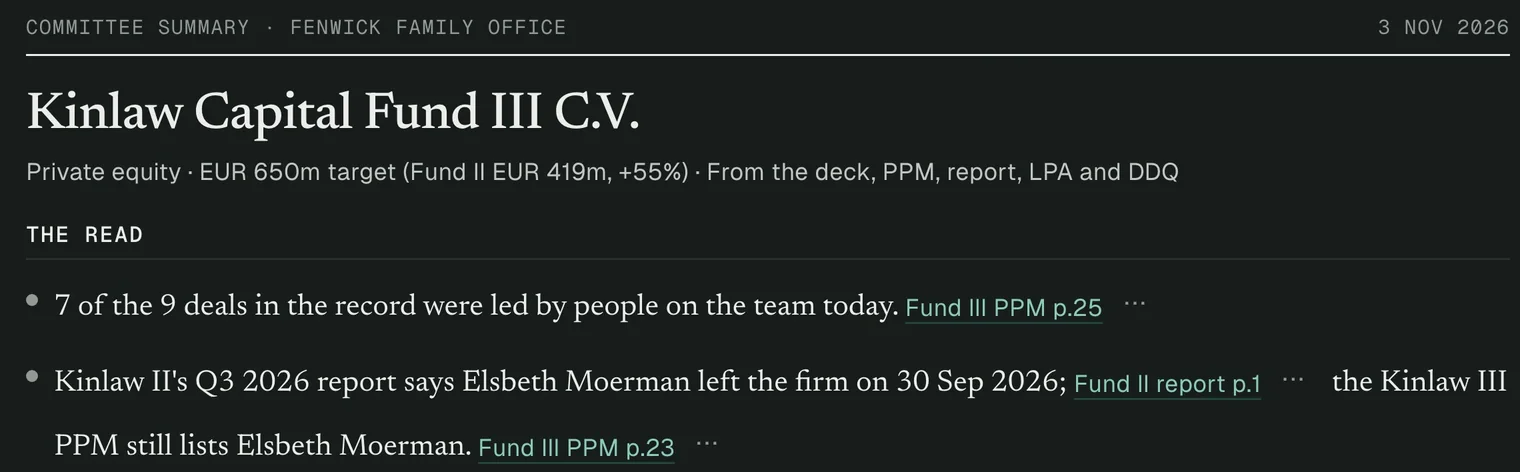
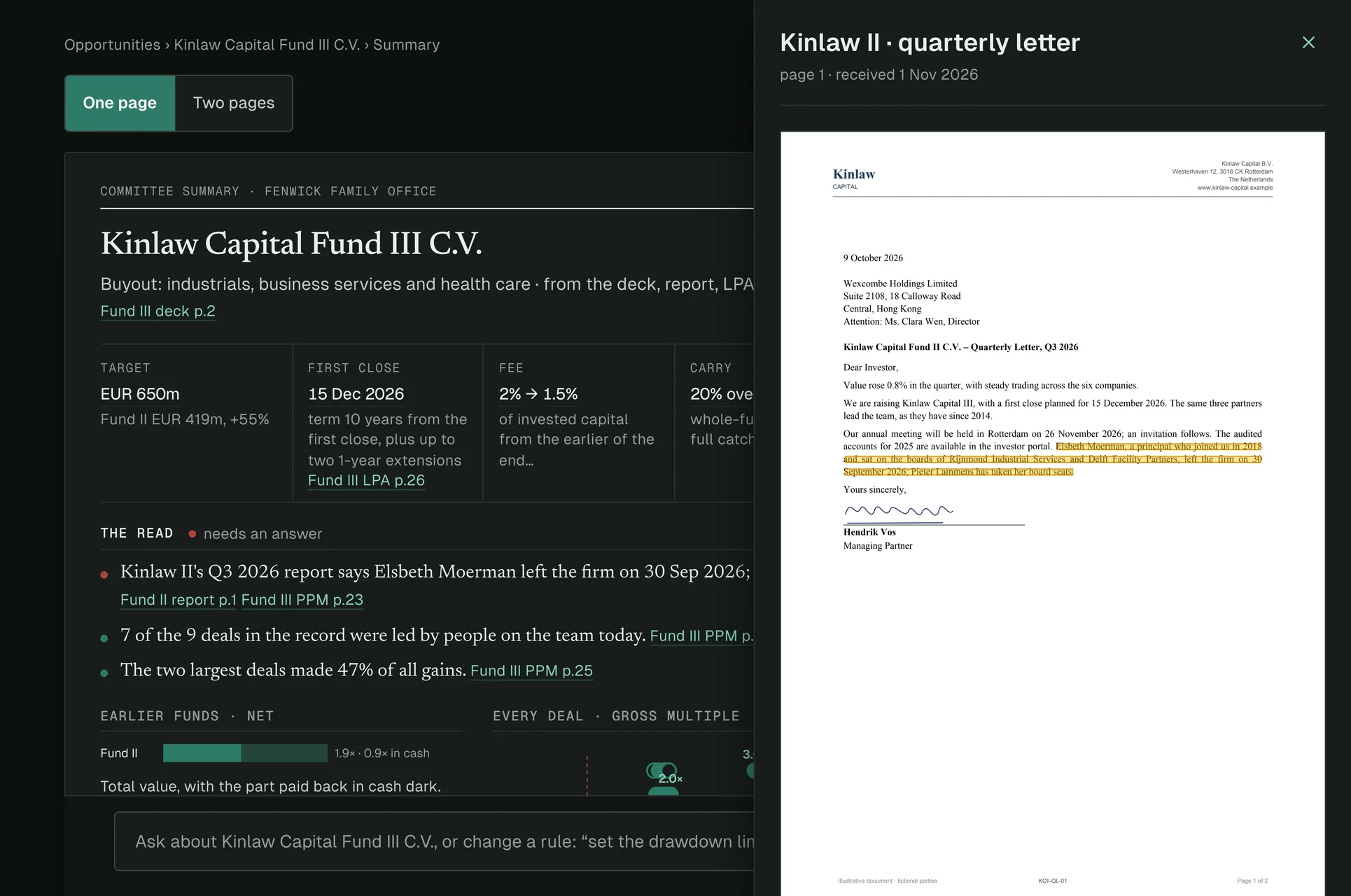
Kinlaw III's PPM still lists a principal who left on 30 Sep 2026. Your own Fund II letter says she left.
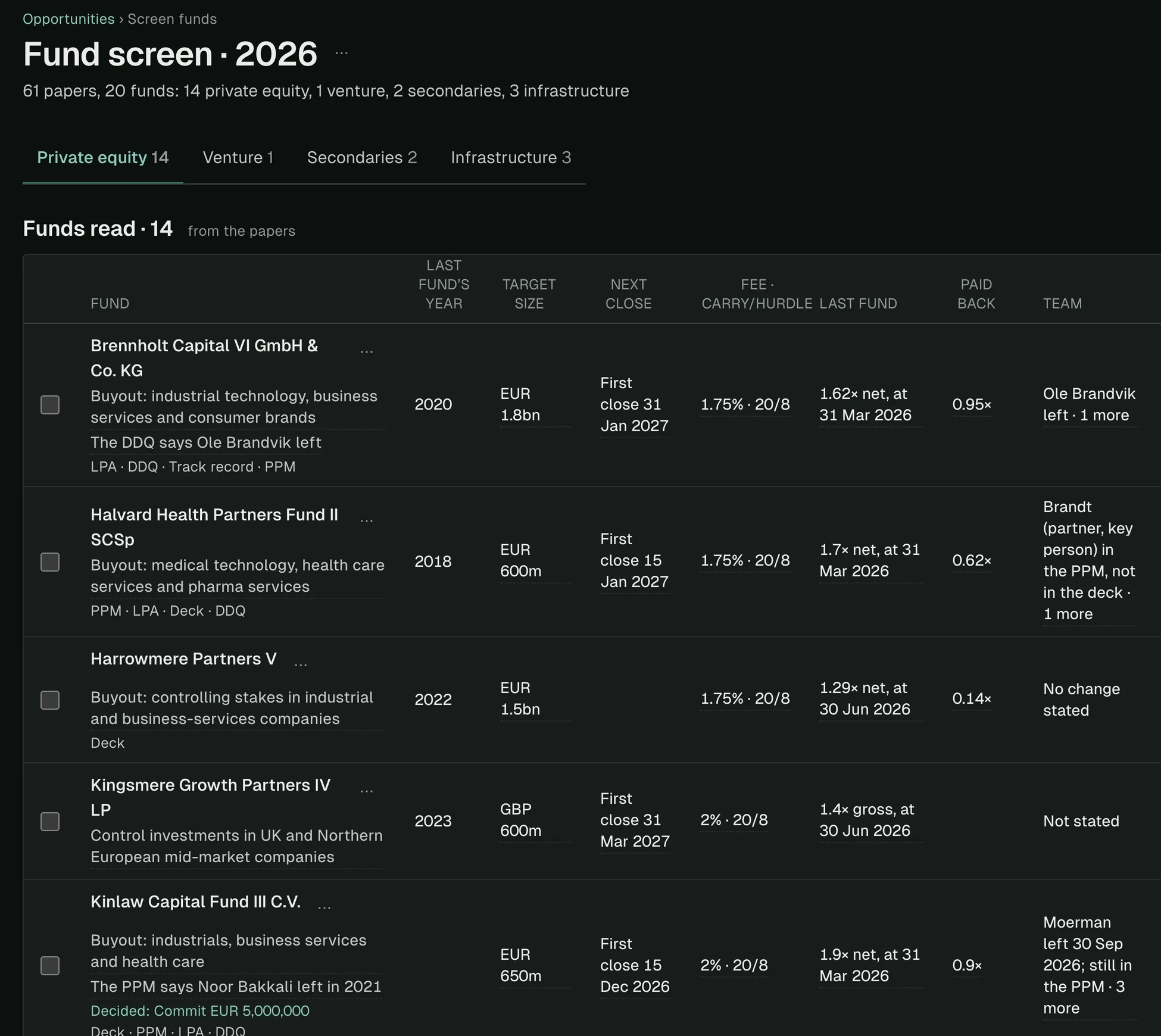
Twenty pitches read into one screen, each new fund set against the funds you already hold.
See fund selection →
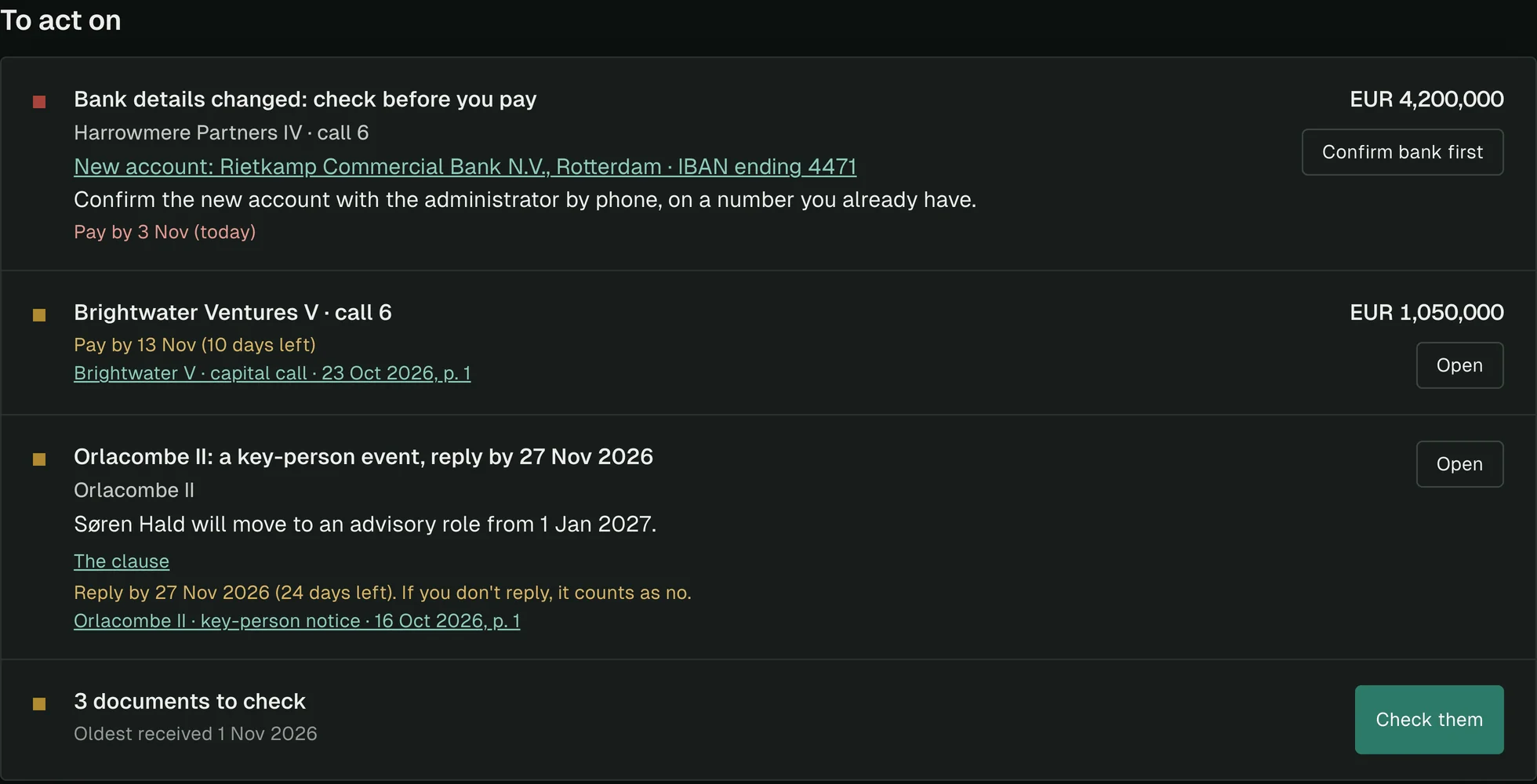
Harrowmere IV's call 6 asks for EUR 4,200,000 to a new bank account. It's flagged before you pay.
Calls, distributions and statements keep each fund current. What needs paying or answering goes on one list with its date.
See fund operations →
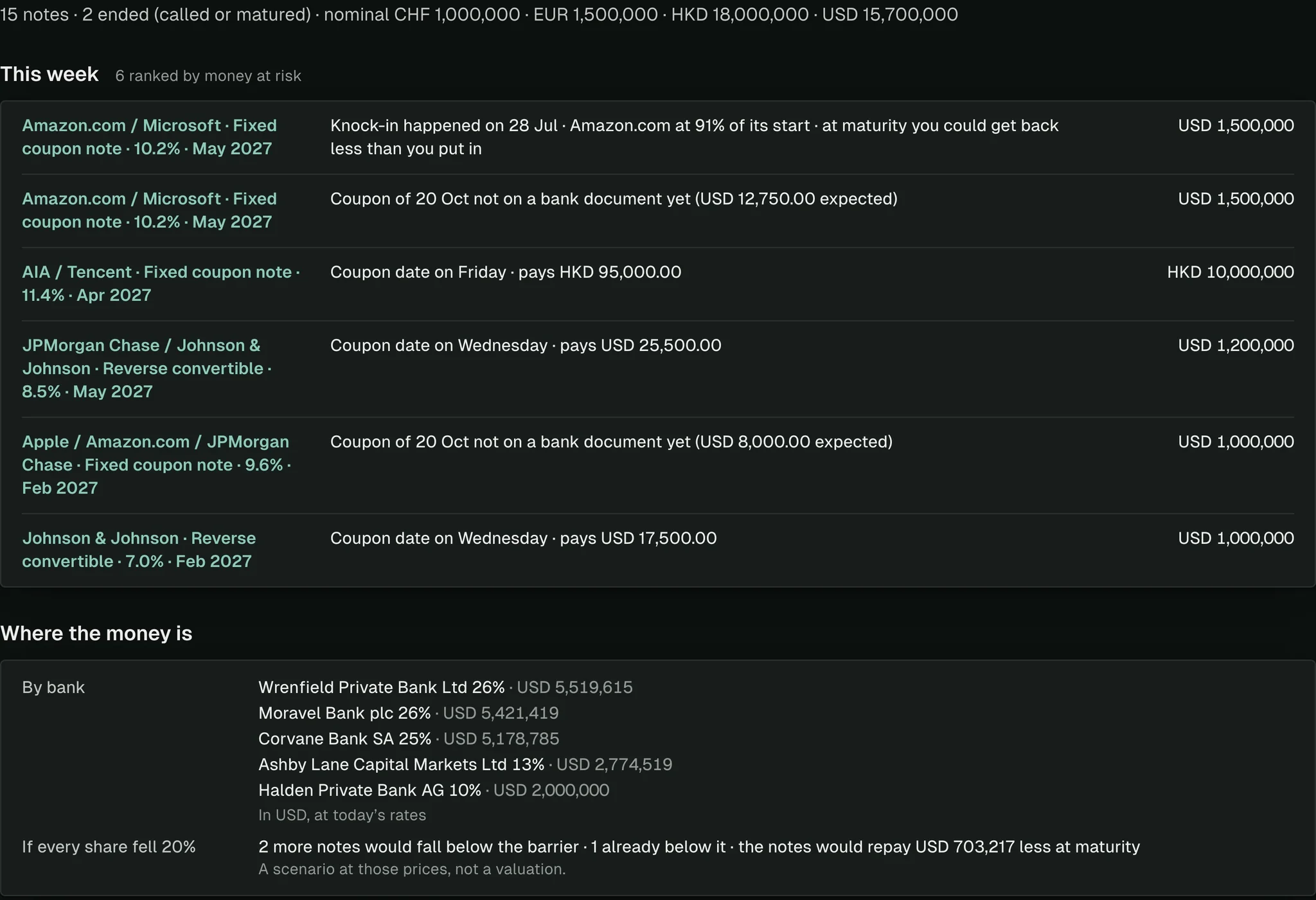
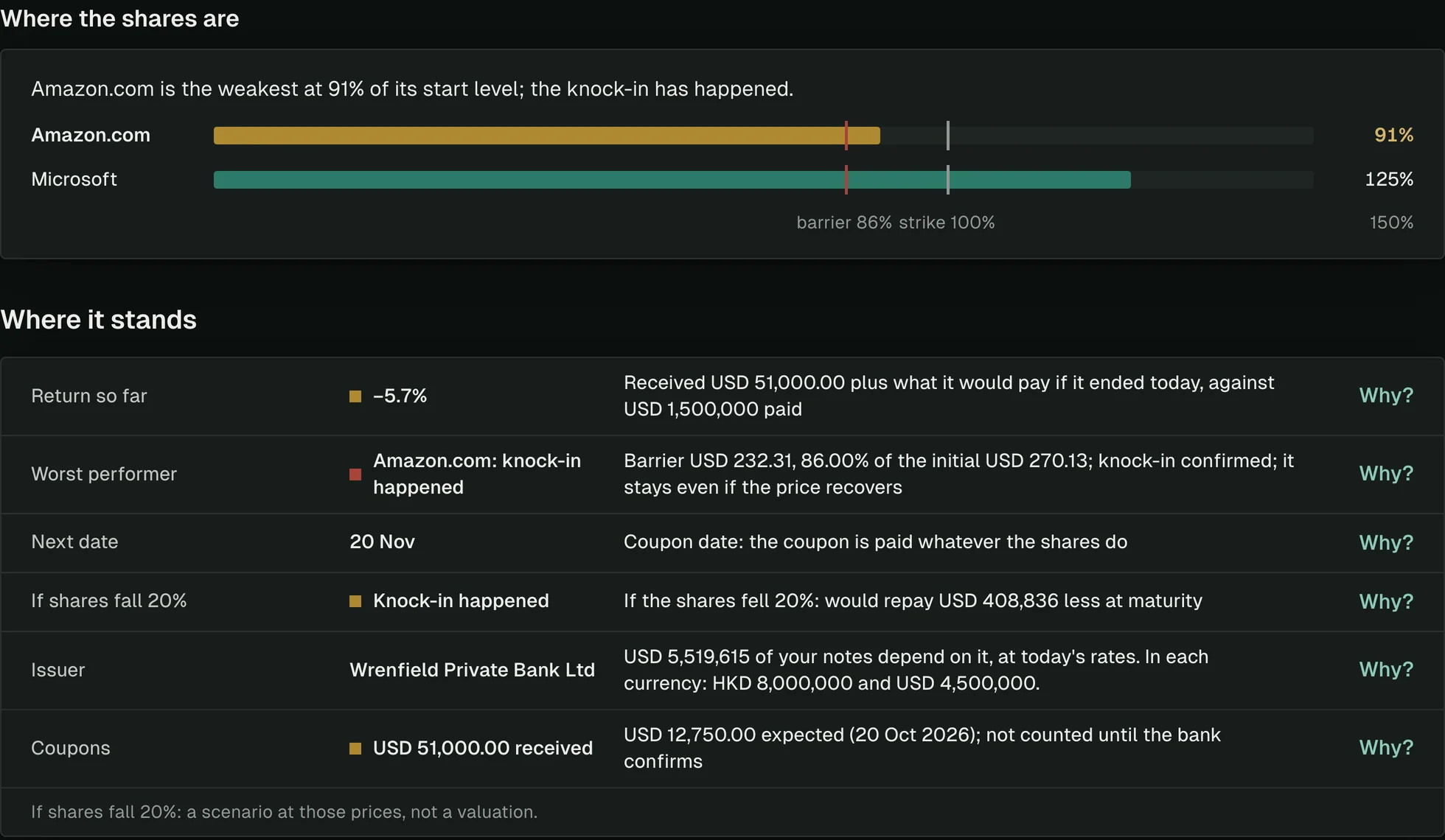
On the 10.2% Amazon.com / Microsoft note, Amazon.com is at 91% of its start. The knock-in happened on 28 Jul.
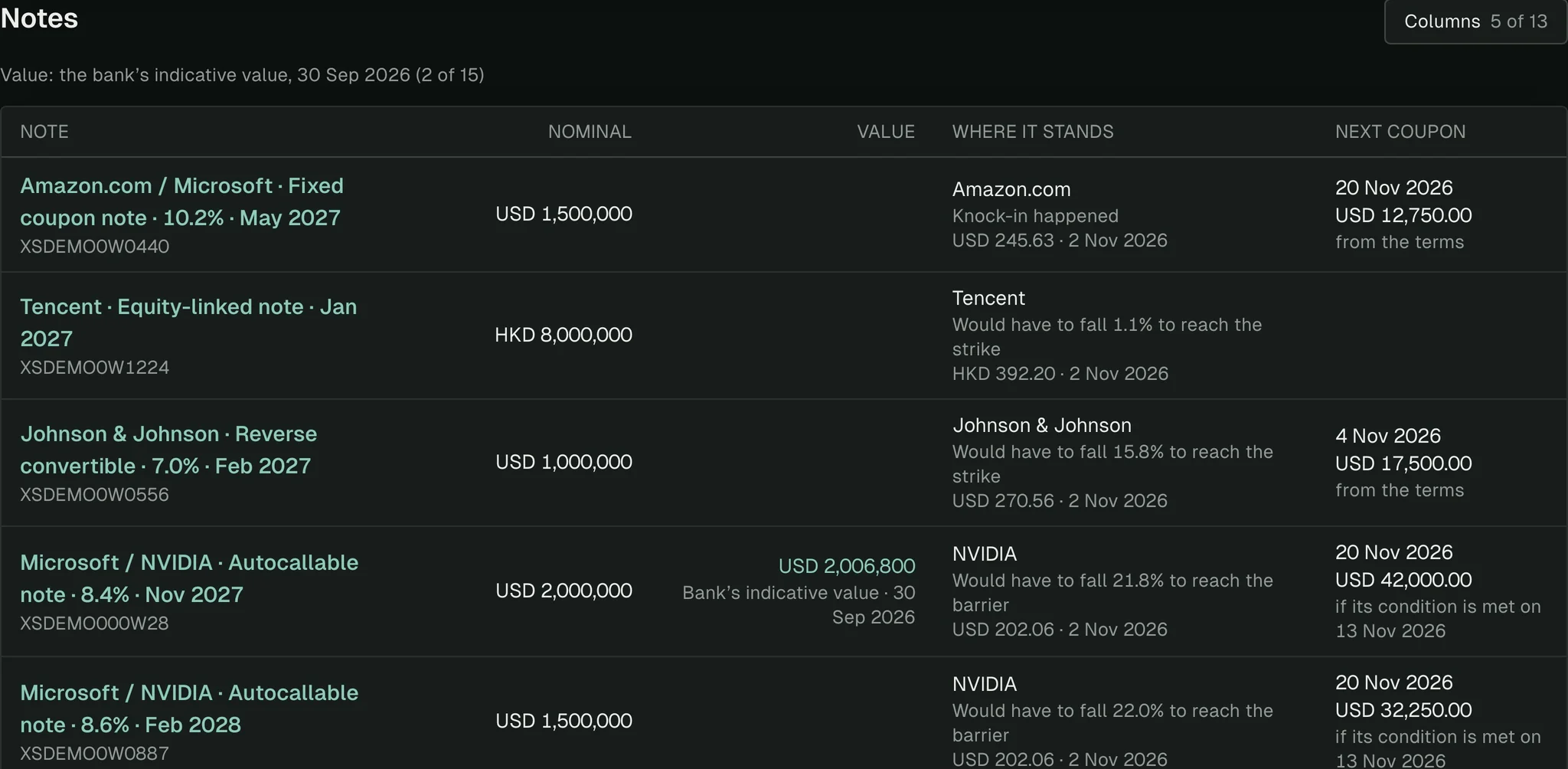
Notes from every bank in one list, ranked by money at risk, with each coupon counted once the bank's document confirms it.
See structured notes →
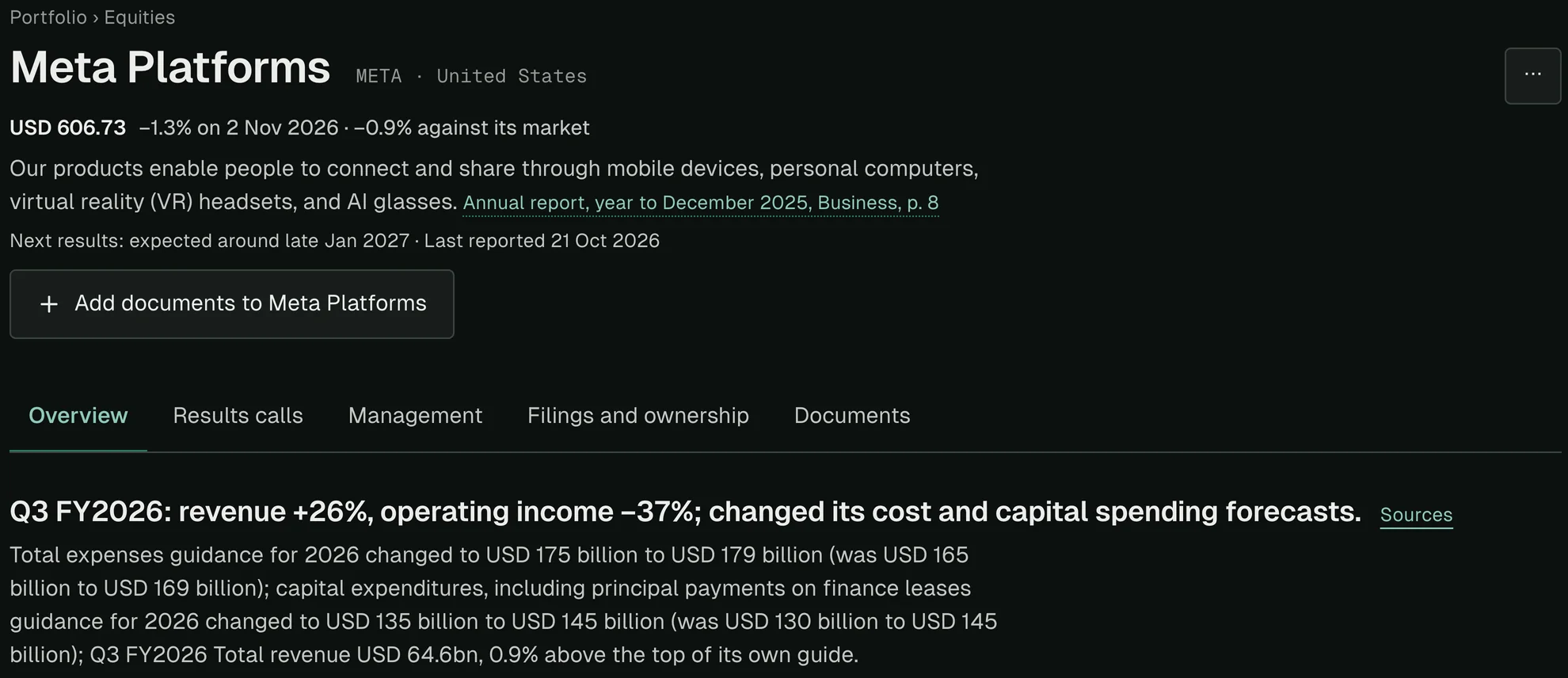
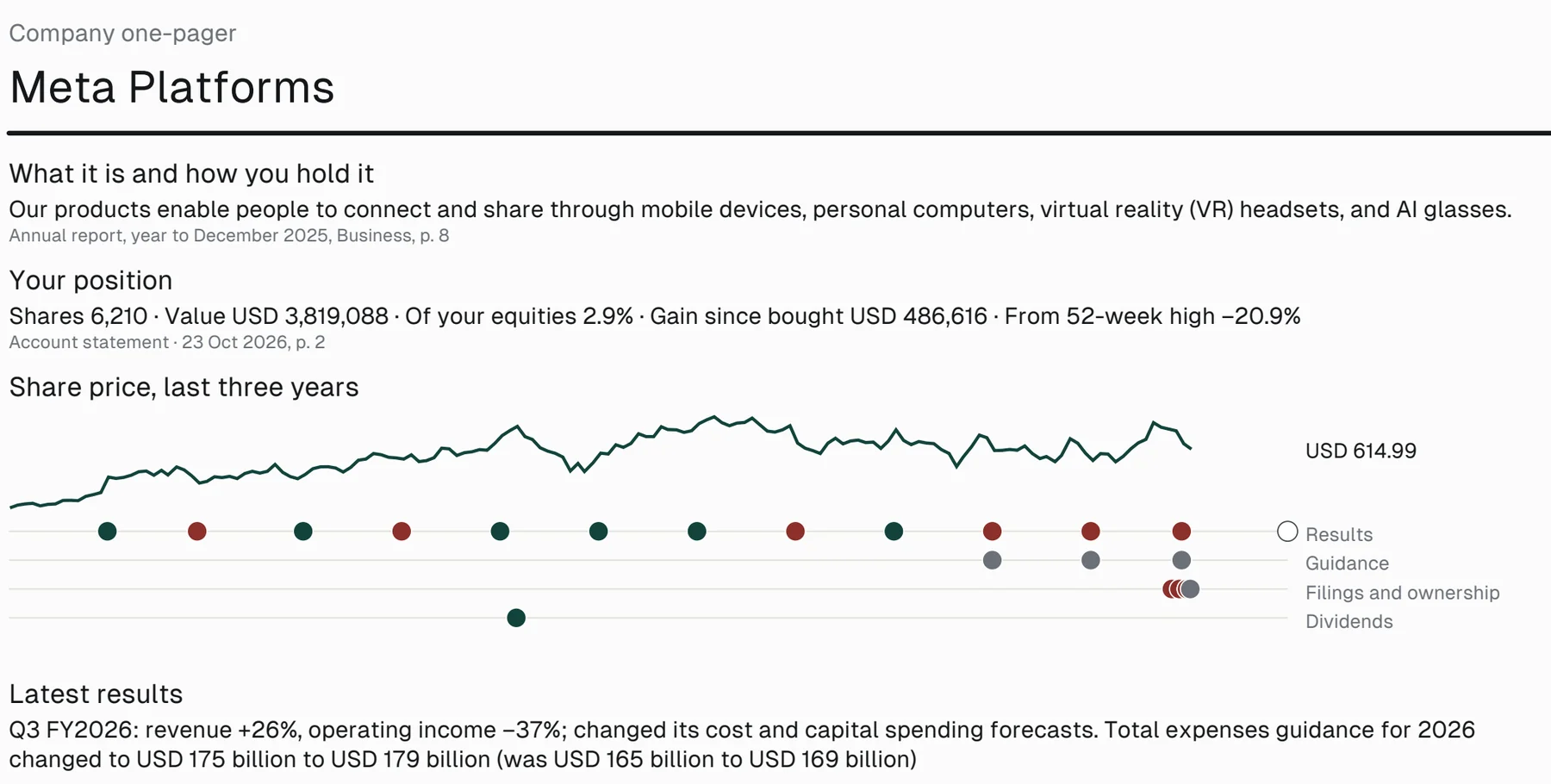
Meta changed its 2026 expenses guidance on its Q3 call: USD 175 to 179 billion, from USD 165 to 169 billion.
Holdings from each custodian, account by account, and what changed at each company since you last looked.
See listed shares →
How it works
Send the papers you already receive.
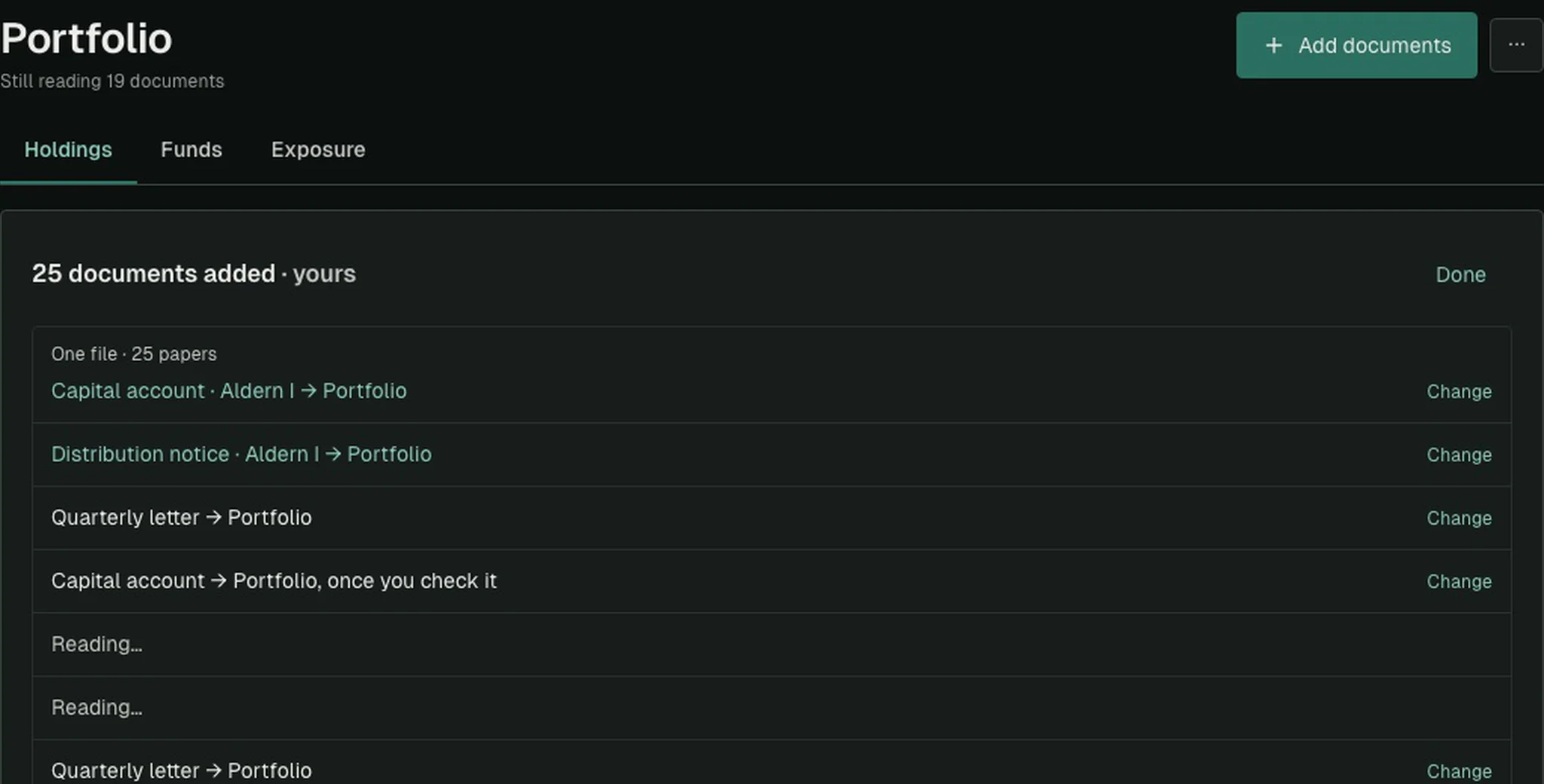
Drop them in as they come
A zip, a folder or a single PDF, or forward the email to your own Basefolio address. Each paper is filed to its fund, note or company, with a line saying where it went.
One record, tied to its pages
Figures are added to what you hold, each with its source page. A paper whose figures don't agree waits for your check instead of changing your totals.
Work from the record
One list of what needs you, with dates. Screens, comparisons and summaries for decisions. Exports that keep their sources.
Also in Basefolio
The rest of the routine.

Ask, with sources. A question in plain words about anything you hold, answered from your papers and filings, with where each answer came from.

One page per company, as a PDF. Your position, the share price with what moved it, the latest results and what changed, each line with its source.

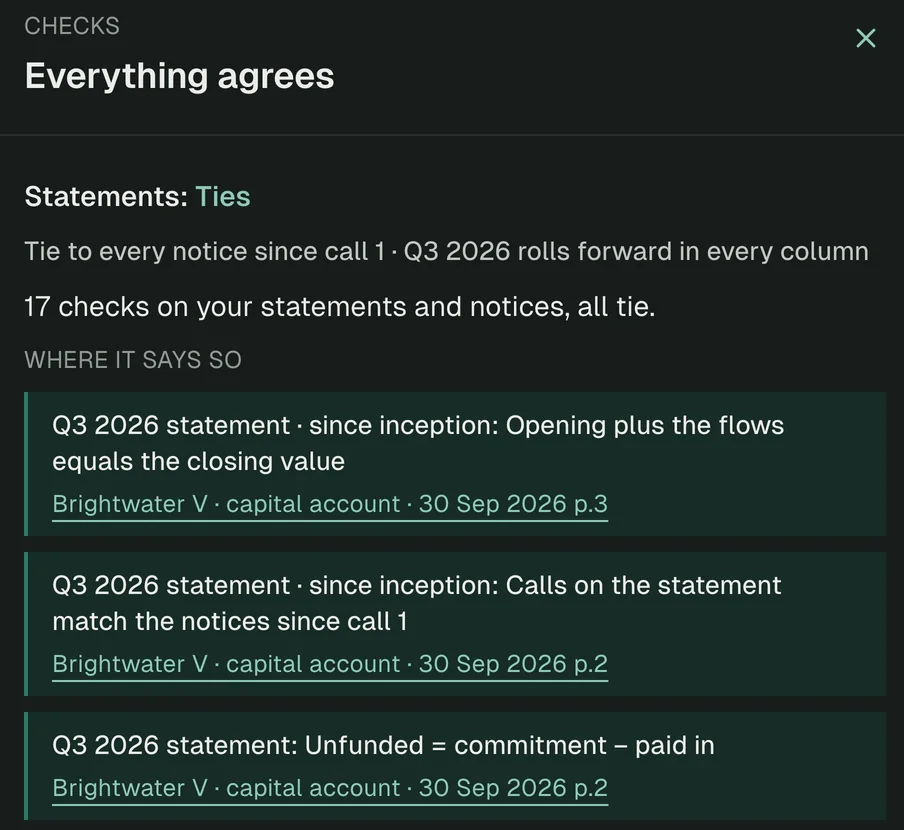
Quarter-end checks. Each statement checked against your calls and money back, and a quarterly note on each fund's letter.

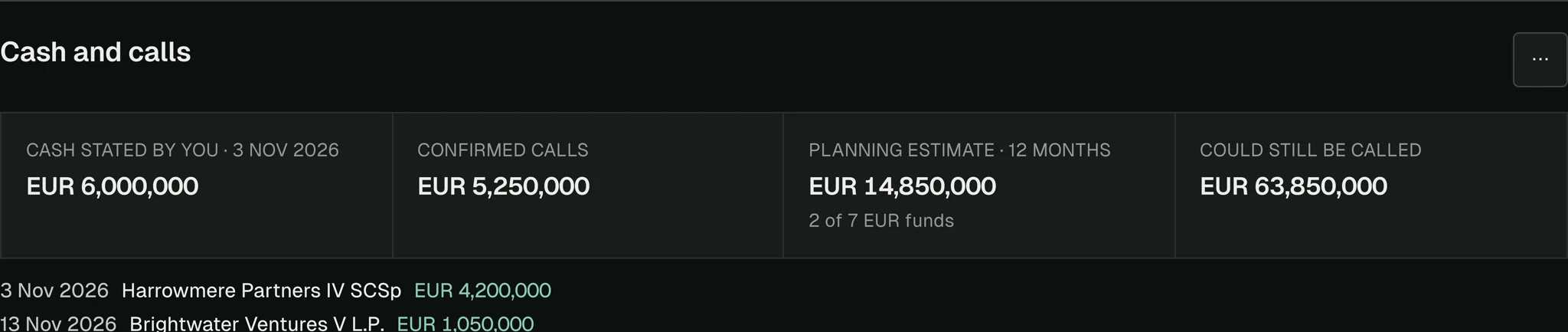
Cash and calls. The calls confirmed by notices, by date; a planning estimate from each fund's calls in the last 12 months, saying how many funds it covers; and what could still be called. Never added together.

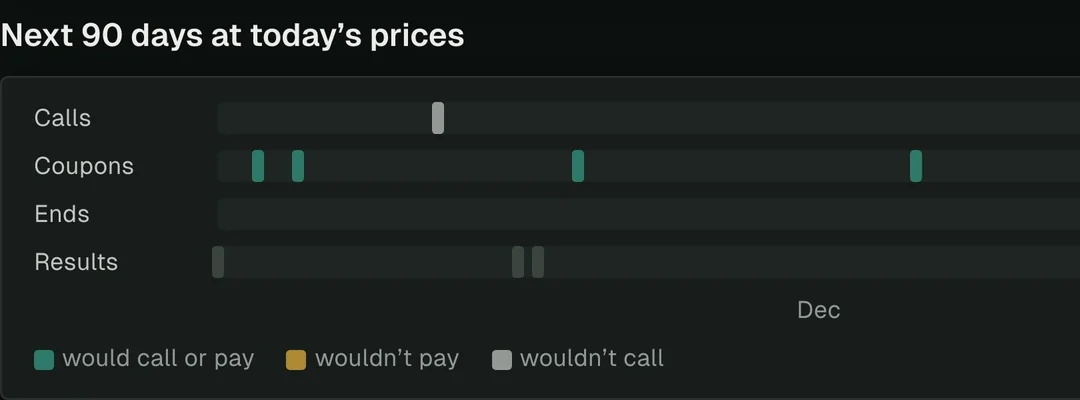
A notes book that keeps watch. This week's items ranked by money at risk, and the next 90 days of calls, coupons and maturities.

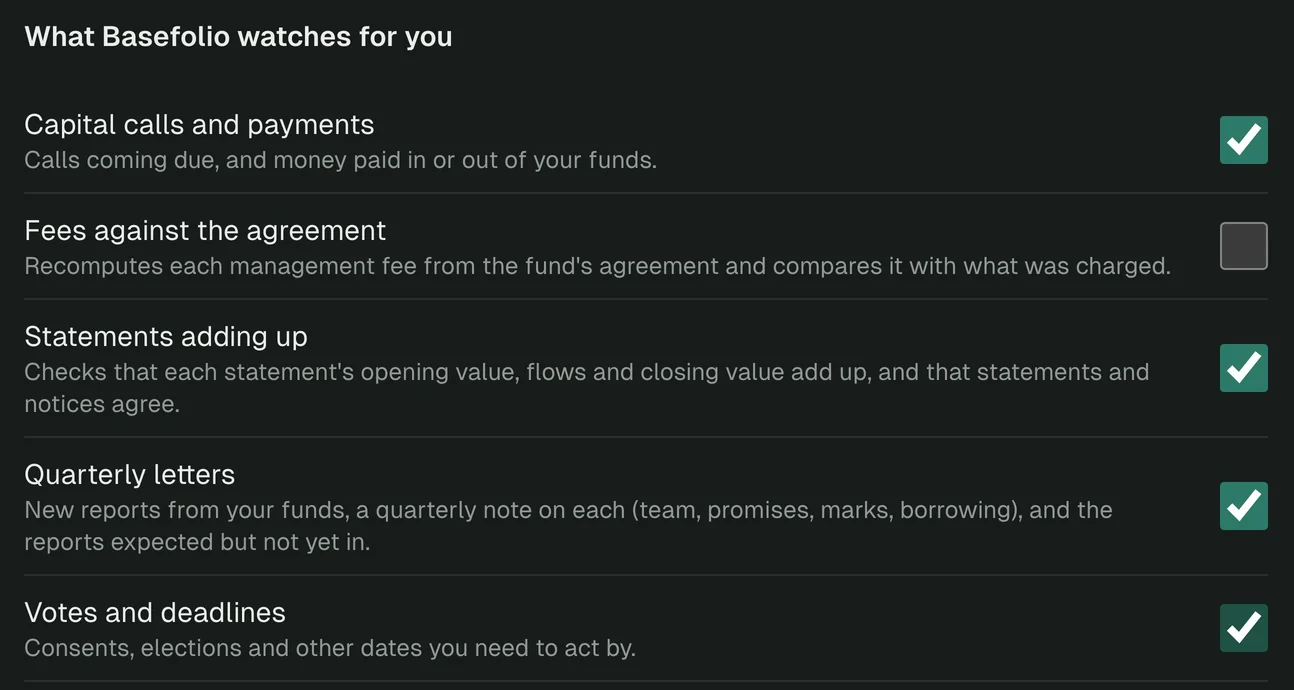
Your checks, on or off. Choose what Basefolio watches for you. With a check off, the pages stay complete and quiet.

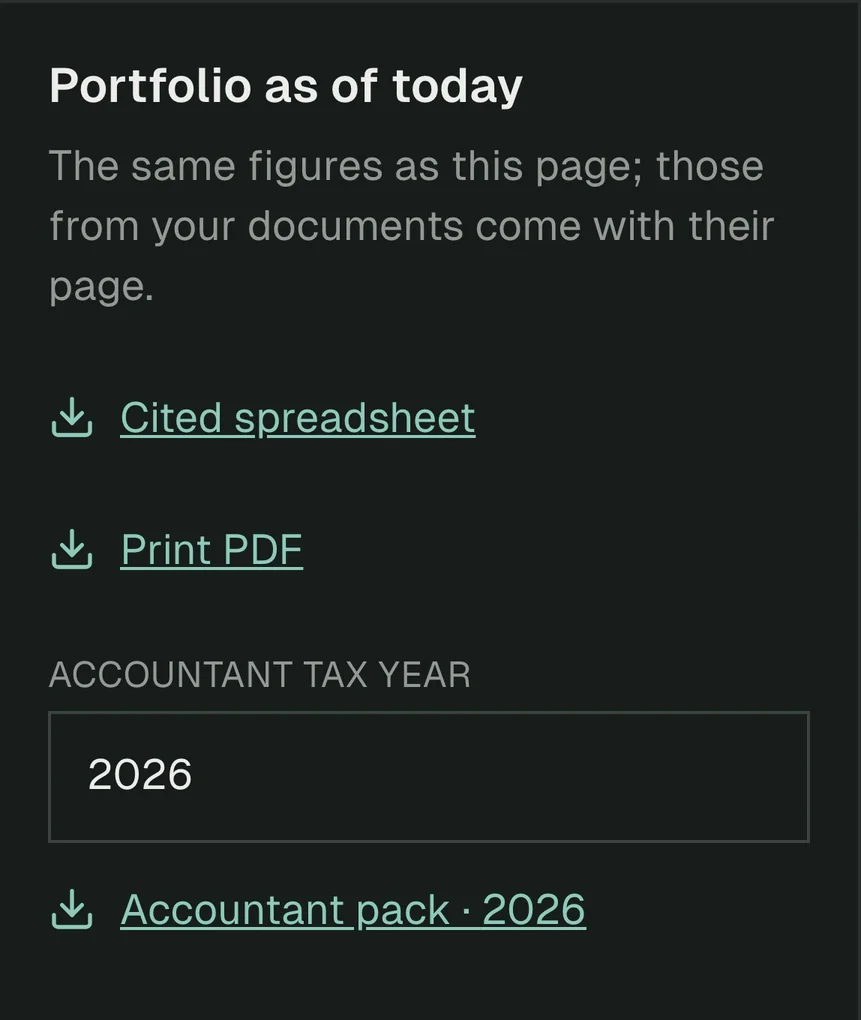
Exports with sources. A cited spreadsheet, a portfolio PDF and an accountant pack for a tax year. Figures from your documents keep their page.
Families and access
Families, and who sees what. Each paper files to its family by the investor it names. A fund several families hold shows each family's commitment and value. Choose which people see which families.
Kept to your account
No other Basefolio client can see your portfolio, documents or questions.
Not used to train AI
The services that read your documents receive only what they need to read them.
Never sold or shared
Basefolio doesn't sell your data. The services it runs on get only what they need.
Stored in Germany
Your database, documents and backups are stored in Germany. The two AI services that read your documents may do so in the US; their terms rule out training on your data, and each file is deleted from them after it is read.
Download everything as one ZIP at any time. Delete the account and your documents are deleted within 30 days; backups keep a copy for up to about 35 days more. How your data is handled →
Test it on papers you've already worked through.
You know what's in them, so you can judge what Basefolio finds.
Fund selection · private equity, hedge funds and private credit
Twenty fund pitches, read into one screen.
Drop each manager's deck, PPM, DDQ, LPA and track record as they arrive. Basefolio reads them into one table by fund type and sets each new fund against the funds you already hold. Then it prepares the summary for your committee. Each figure opens its page.

Why screening takes so long
Each pitch states its record its own way.
Four or five papers a fundThe deck, the PPM, the DDQ and the track record each give the numbers differently: gross or net, with or without the credit line, at different dates.
Team changes are easy to missA departure sits in one paper and not in the next, or only in the letter from a fund you already hold.
Your history isn't in the pitchWhat the manager returned to you is in your own statements, not in their deck.
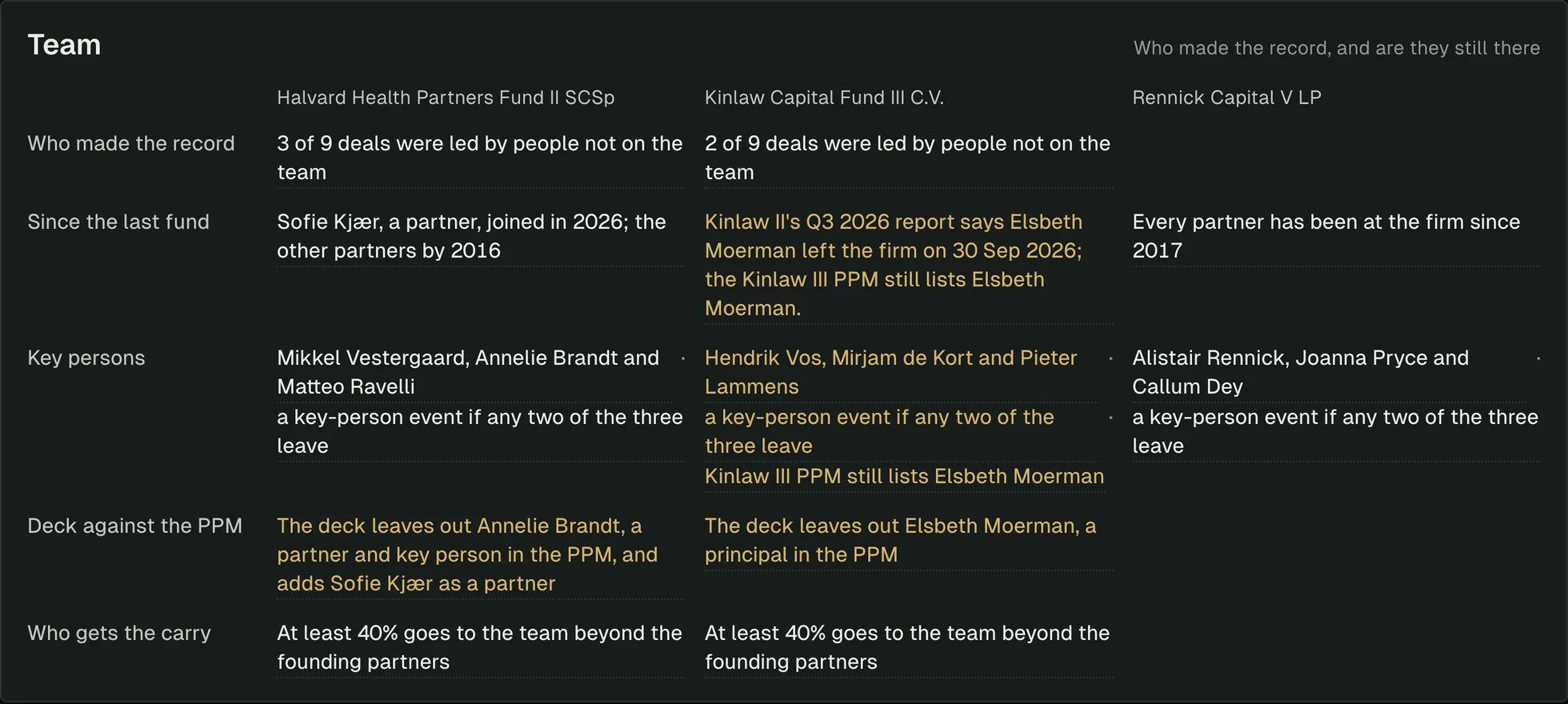
The record and the team, side by side.
Who made the record and whether they are still there, who joined or left since the last fund, and where the deck and the PPM disagree. The track record sits above it: every deal, the two that made most of the gains, and what today's team made.

The new PPM still lists her. Your own letter says she left.
Kinlaw is raising Fund III, and you already hold Fund II. Read alone, the new PPM shows no change in the team. Basefolio reads both.
Elsbeth Moerman, a principal who joined us in 2018 and sat on the boards of Rijnmond Industrial Services and Delft Facility Partners, left the firm on 30 September 2026; Pieter Lammens has taken her board seats.
Excerpts from the demo account's papers, set in type. The funds and people are fictional.
A summary your committee can read without an account.
Page one: the facts, the earlier funds, every deal and the team over time. Page two: the track record, team and terms in full. Both as a PDF. Each line keeps its source. Click one and the page opens with the sentence marked. Questions for the manager stay listed until they're answered.

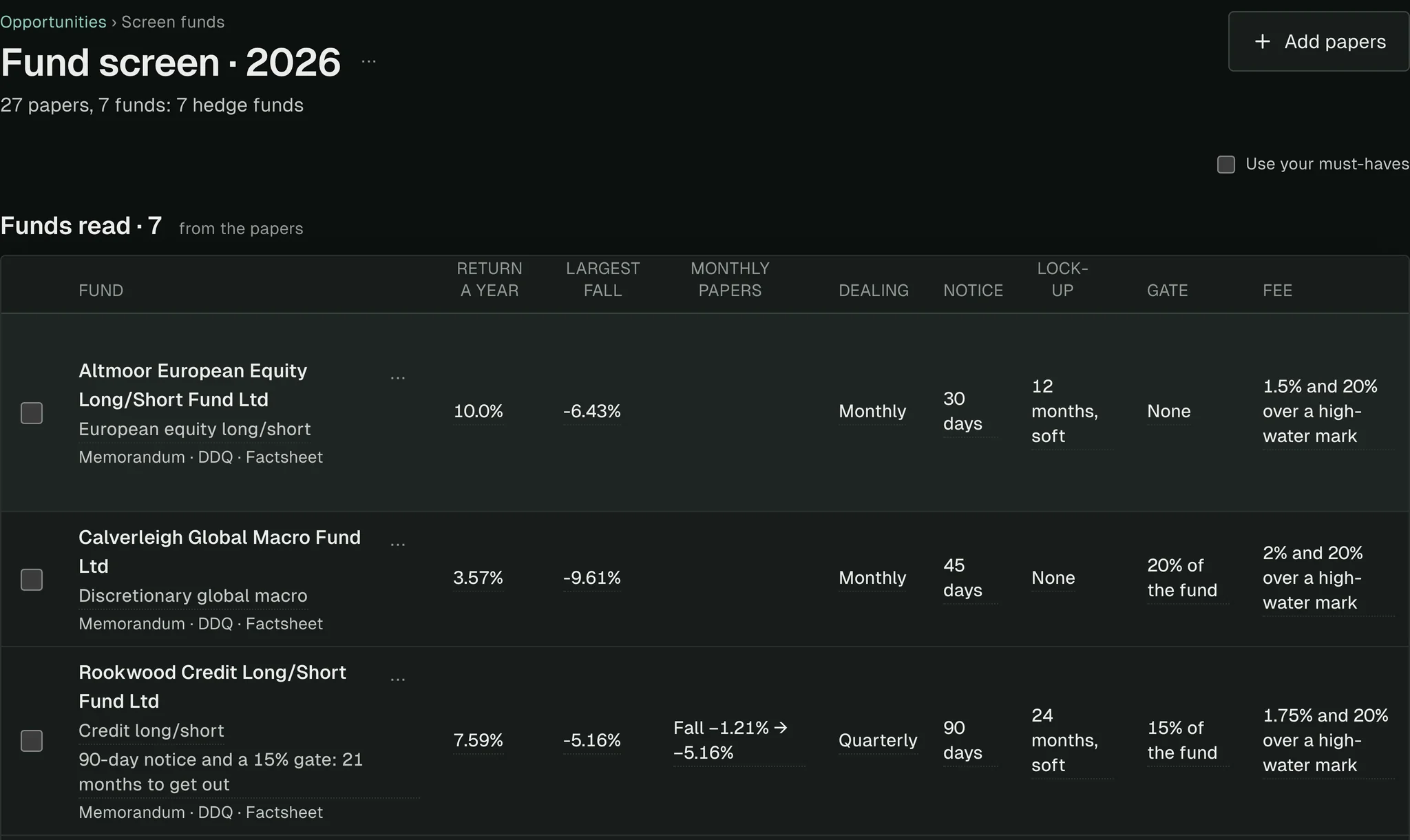
Hedge funds
How you get out, read before you get in.
From each fund's memorandum, DDQ and factsheet: the return, the largest fall, dealing, notice, lock-up, gate, fee and team, and how long a full exit takes on those terms.

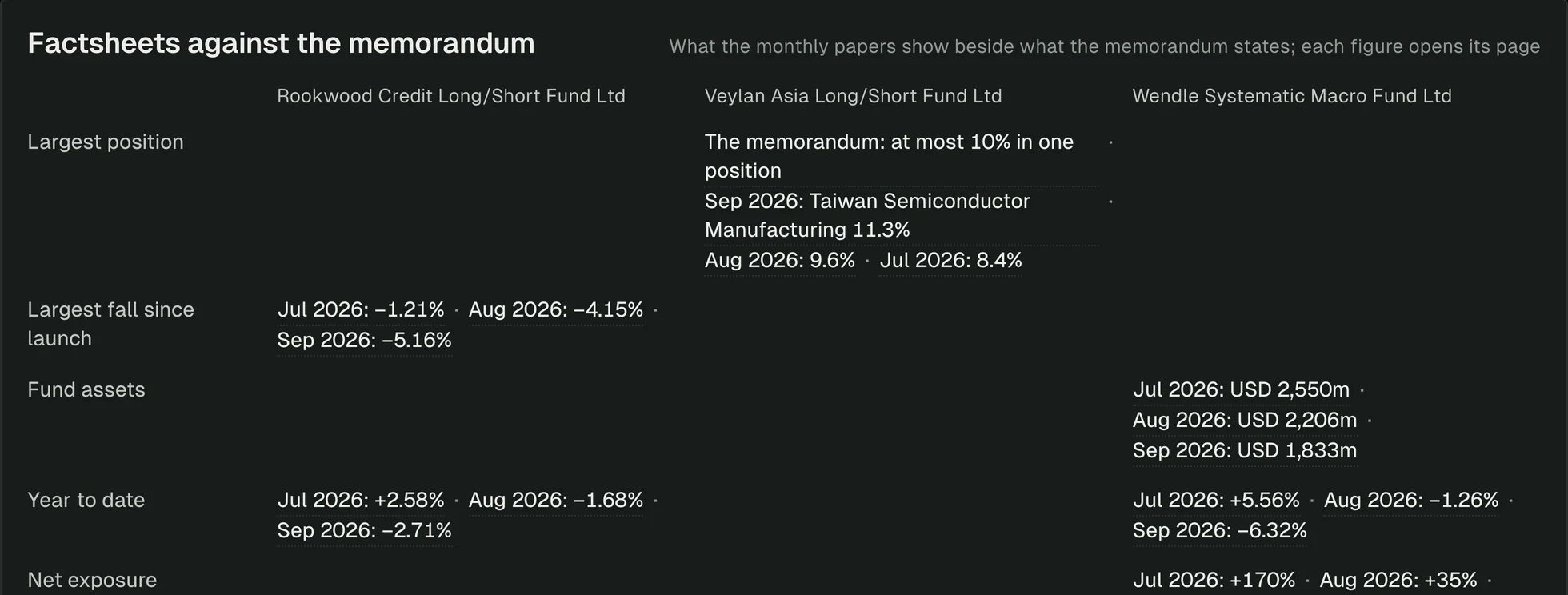
The monthly factsheets, set against the memorandum.
What each month's papers show beside what the memorandum allows: the largest position, the fall since launch, fund assets and net exposure. Each figure opens its page.

Private credit pitches are read in credit terms: returns with and without fund borrowing, losses as each manager measures them, and the limits in the PPM. .
What you get
A screen for each fund type
Private equity, venture, secondaries, infrastructure, private credit and hedge funds, each with its own columns.
Compare
The record, the team, the terms and the firm, for the funds you pick, with an export to Excel that keeps the sources.
Committee summary
Two pages and a PDF: track record, team and terms, each line with its source, and the open questions.
Your own record with the manager
What their earlier funds returned to you, from your statements.
Ask
A question in plain words, answered from the papers with their pages.
Decisions, kept
Commit, pass or look again, with the date and your reason, kept with the fund.
What it does not do
It does the reading and the comparison. It does not replace due diligence, a legal review of the fund documents or your investment judgement, and it does not contact managers for you. Where the papers don't state something, the screen says so.
Test it on a fund package you've already reviewed.
You know what's in those papers, so you can judge what Basefolio finds.
Fund operations · private equity, private credit and hedge funds
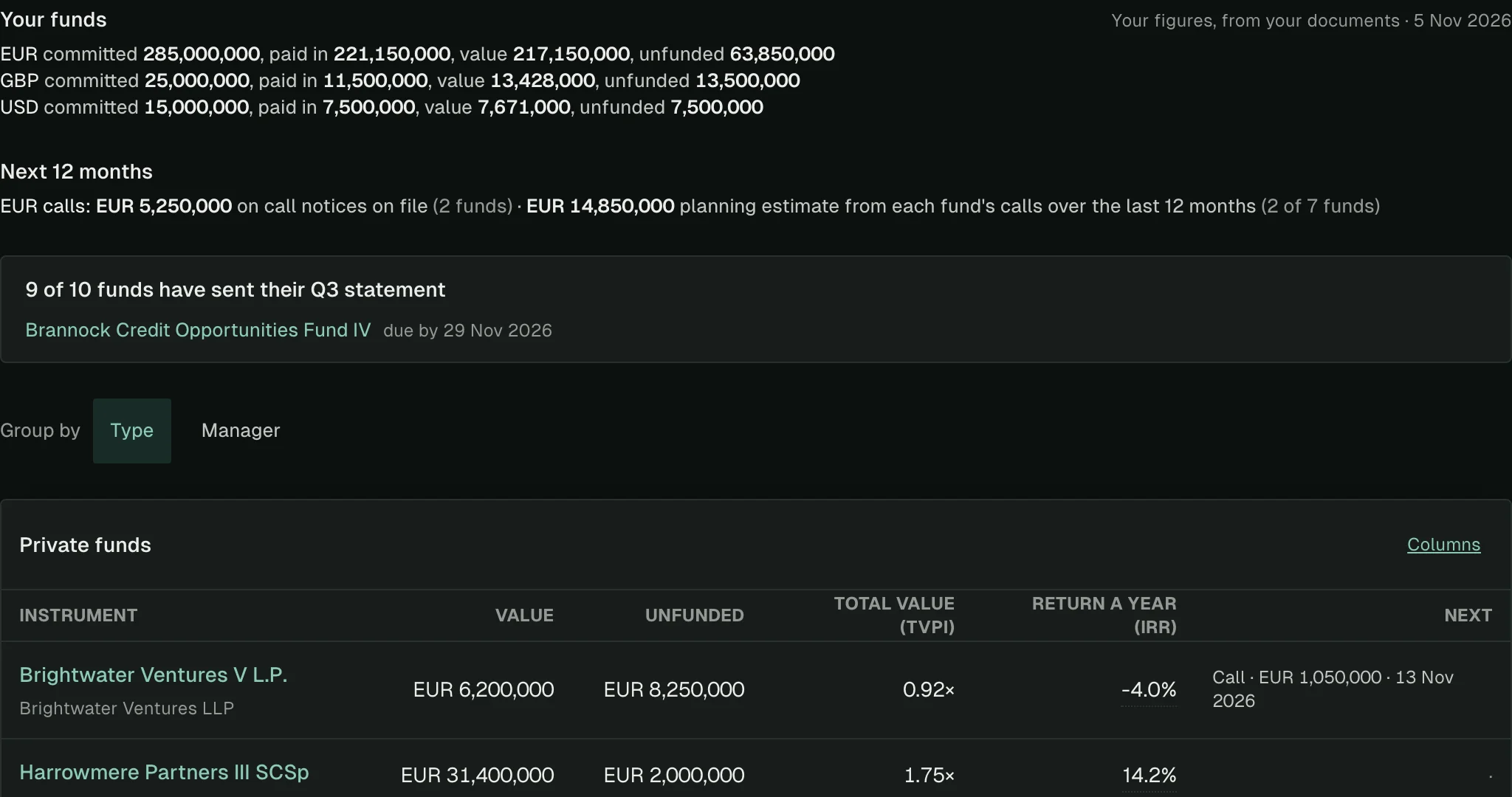
Your funds, kept current from the papers managers send.
Capital calls, distribution notices, capital account and NAV statements, letters and notices are read as they arrive. What needs paying or answering goes on one list with its date. Each fund's figures update, each with its source page.

A quarter's papers in one drop.
A zip of statements, calls, letters and fee reports. Each paper is read and filed to its fund, with a line saying where it went, and you can change it. Or forward them to your own Basefolio address. A first capital call adds its fund by itself, with the commitment and the amount called from the notice.

Every fund, current, per currency.
Committed, paid in, value and unfunded. Calls confirmed by notices, a 12-month planning estimate from each fund's own calls, and what could still be called. Each fund's multiple and return. A statement whose figures don't agree waits for your check, so the totals stay right.

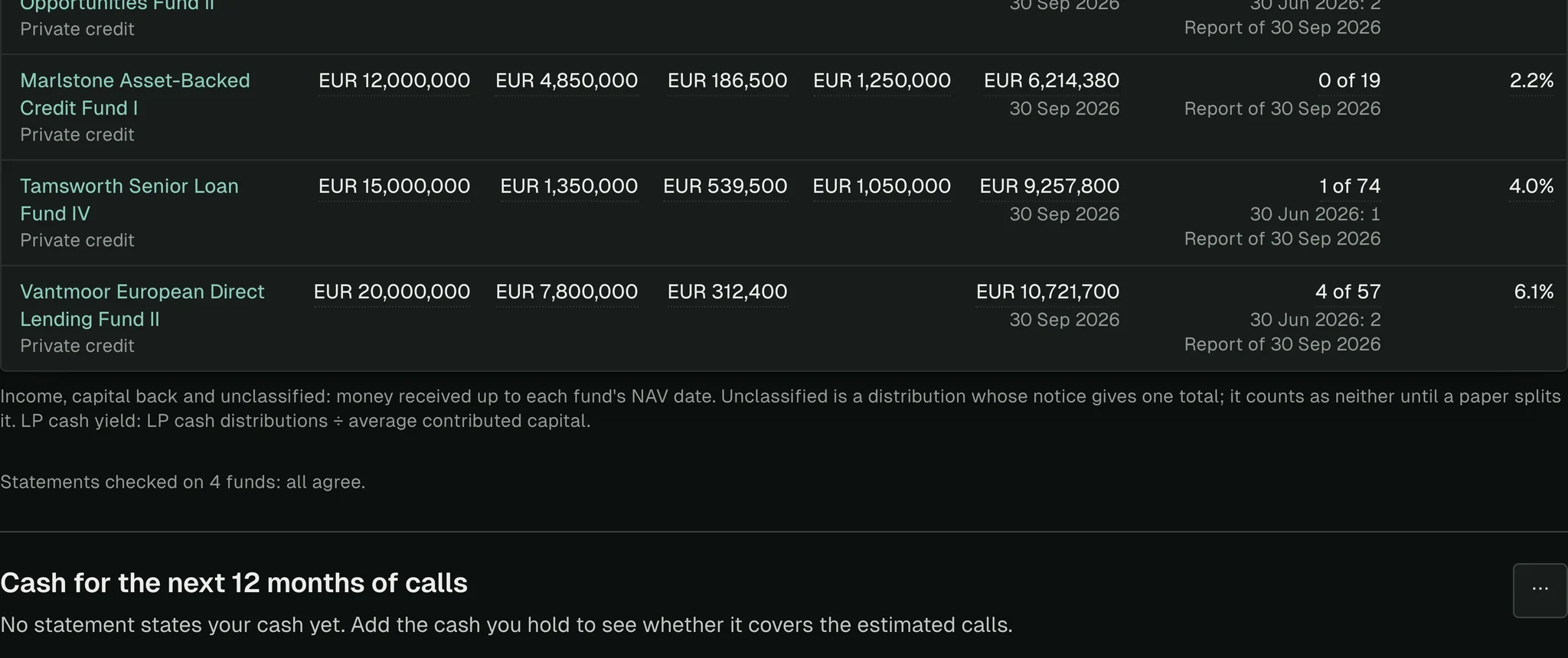
Income and capital back, kept apart.
For credit funds, distributions are split into income and capital back, with the cash yield over the last twelve months and the loans on non-accrual in each fund's latest report.

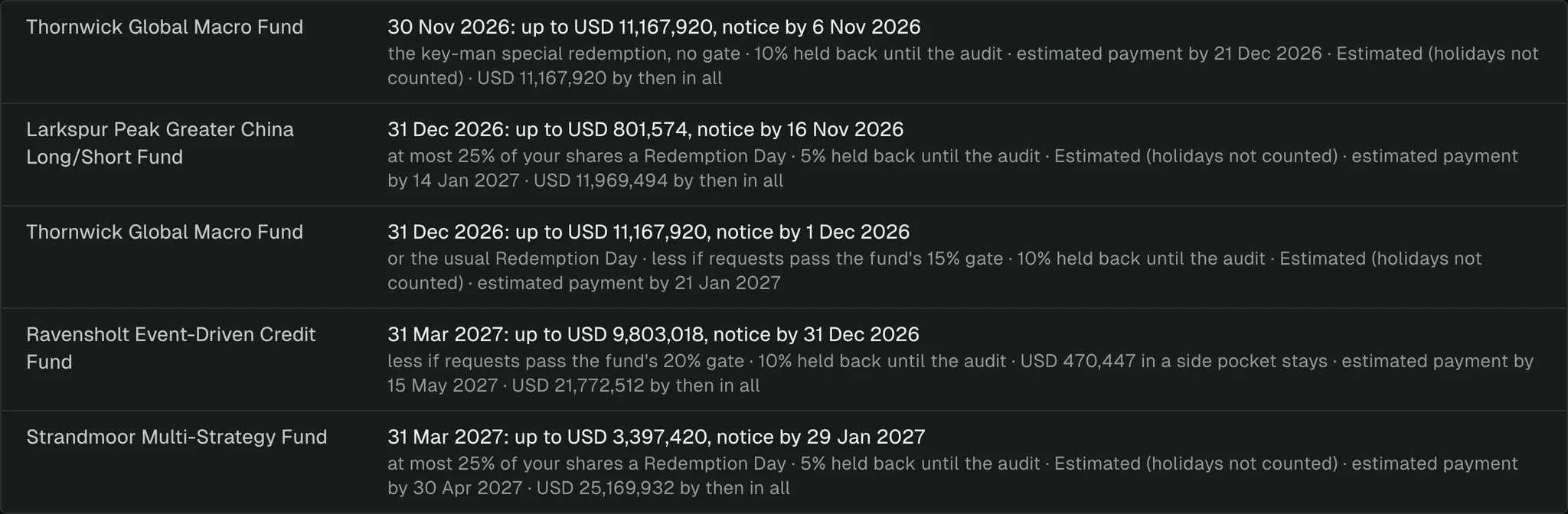
What would come back, and when.
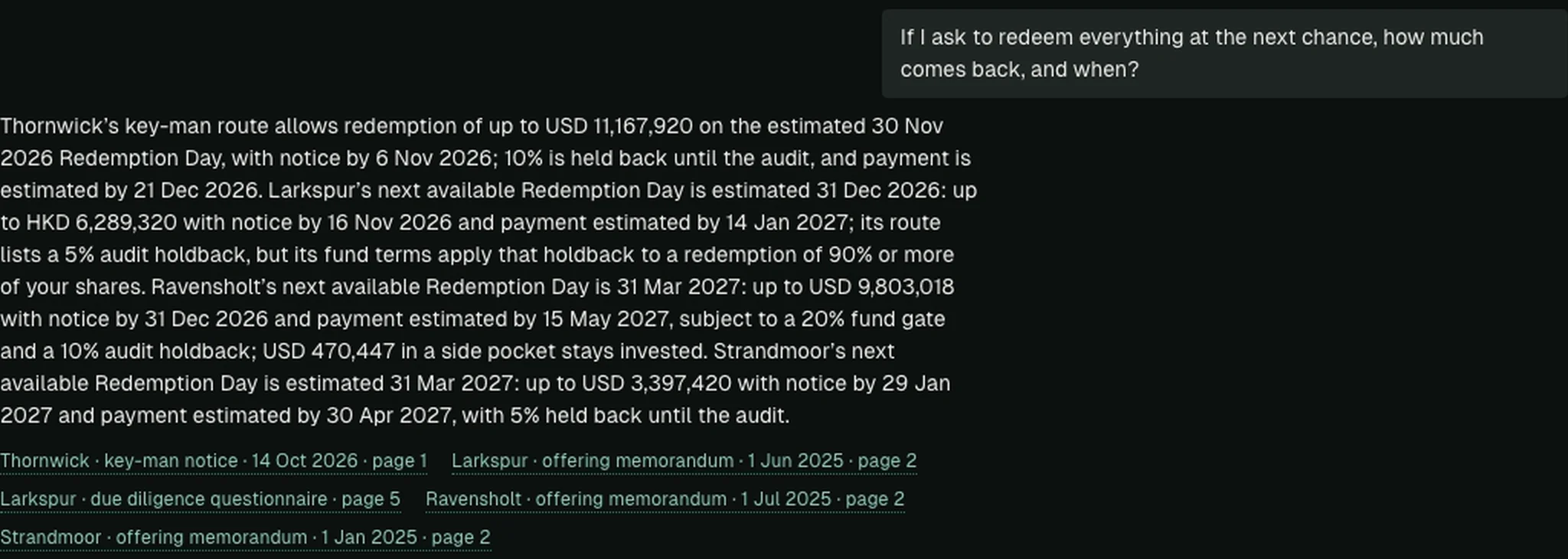
For each fund: the next redemption day and notice date, the gate, the holdback and any side pocket, read from its own memorandum and notices.

A right with a deadline arrives as a dated item.
A key person leaves, and the fund opens a redemption without the gate. The notice date and the cut-off time go to the top of the list, with the letter's page.

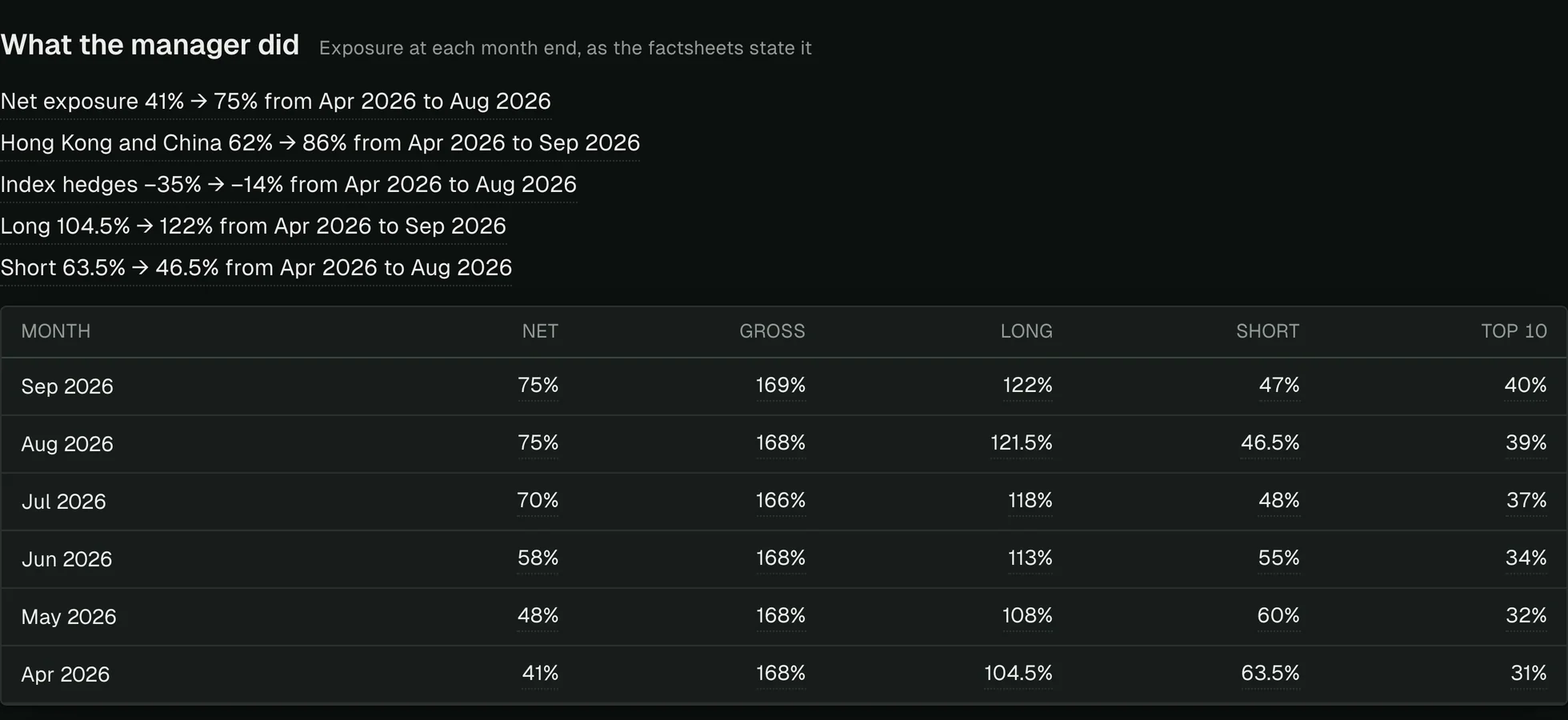
Exposure month by month, as the factsheets state it.
Net, gross, long, short and top ten, with the moves since spring in one line each. You can set them against what the fund says it does.

Questions answered from your own papers.
"If I redeem everything at the next chance, how much comes back, and when?" Answered fund by fund, with the pages it used.

Exports that keep their sources.
From Portfolio's Export:
- a spreadsheet of holdings and cash flows, each figure with its paper and page
- a portfolio PDF
- an accountant pack for a chosen tax year
- a one-page summary for each fund
Try it on last quarter's papers.
Send a quarter you've already processed, and compare the result with your own records.
Structured notes · for private clients and their advisers
Notes from every bank in one list, ranked by money at risk.
Term sheets, confirmations, coupon notices and bank statements become one list. See where each note stands against its barrier, what its next date pays, and how much of your money sits with each bank.

Named by its shares, type, coupon and maturity.
The weakest share against its barrier or strike, the next coupon and its condition, and the bank's own value where a statement gives one.

Where it stands, in plain words.
The return so far, the weakest share and its knock-in, what a 20% fall would put at risk, and how much rests on the issuer. A coupon counts once the bank's document confirms it.

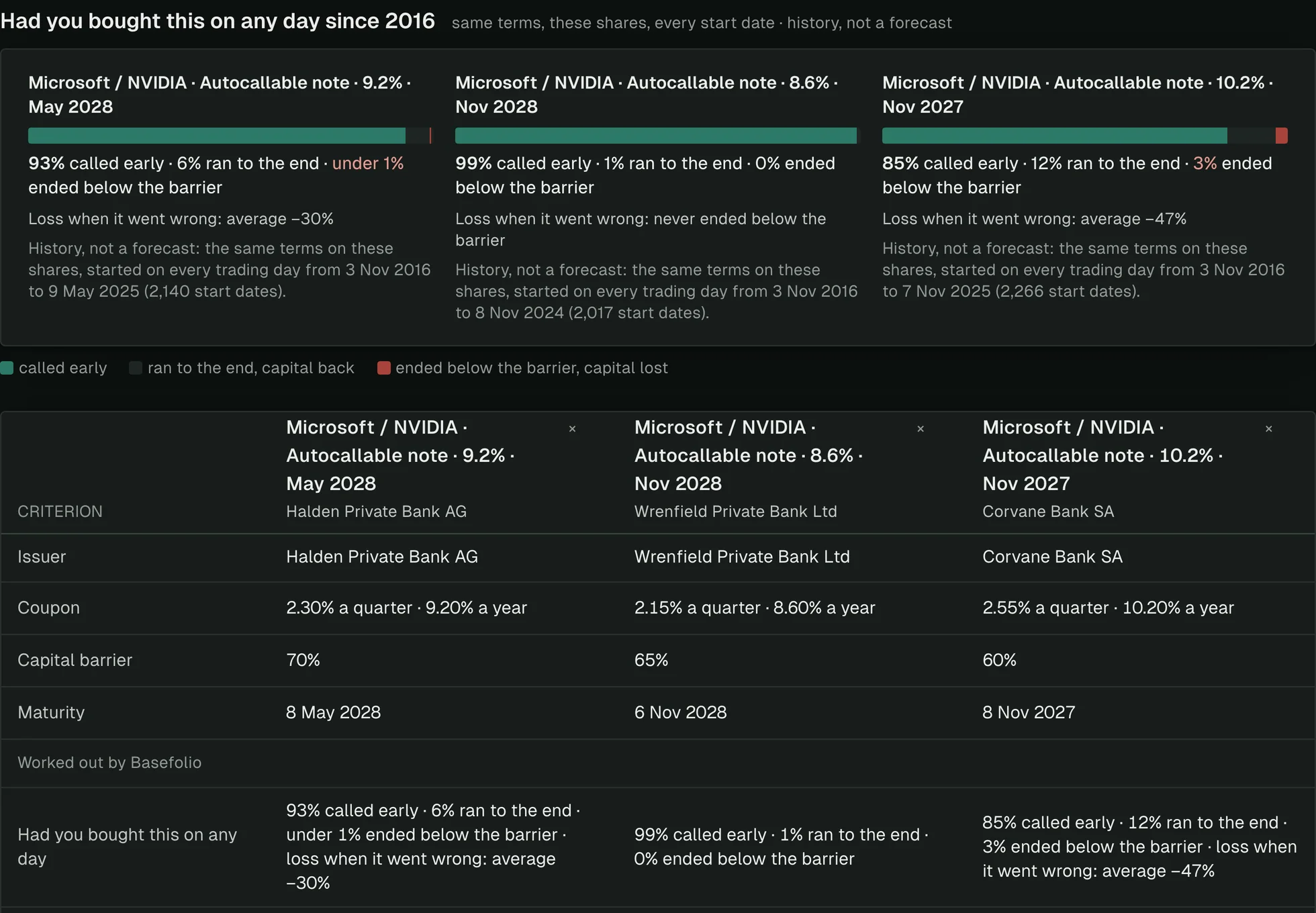
Three offers on the same shares, side by side.
The same terms started on every trading day since 2016: how often each was called early, ran to the end, or ended below its barrier. History, not a forecast. Then coupon, barrier, maturity and how much you already hold with each bank.

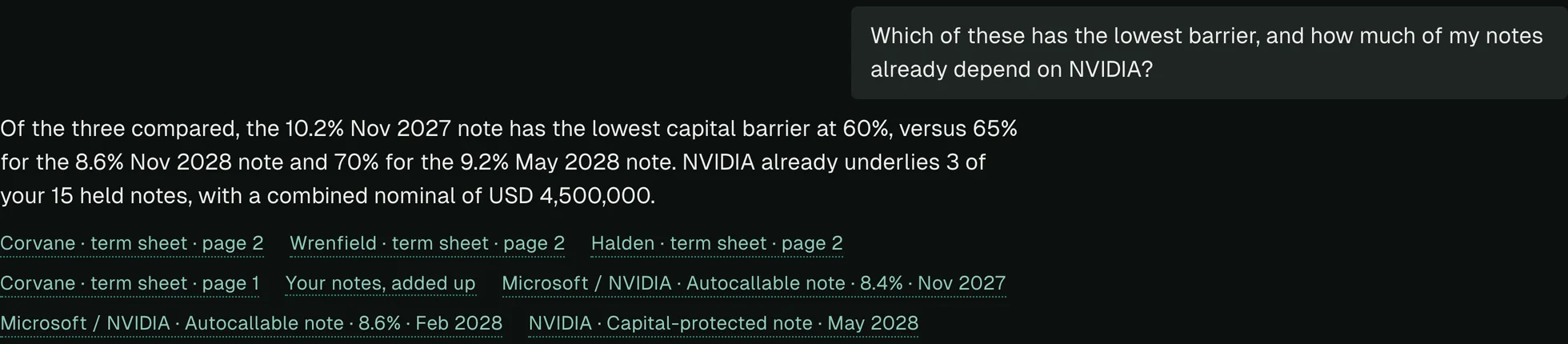
Questions answered from your own term sheets.
Which offer has the lowest barrier, and how much of what you hold already depends on those shares, with each term sheet's page.

Try it on your own bank papers.
Send the term sheets and statements for notes you already hold, and compare the result with your banks' reports.
Listed shares · for family offices holding shares across banks
What happened to the companies you hold, in one place.
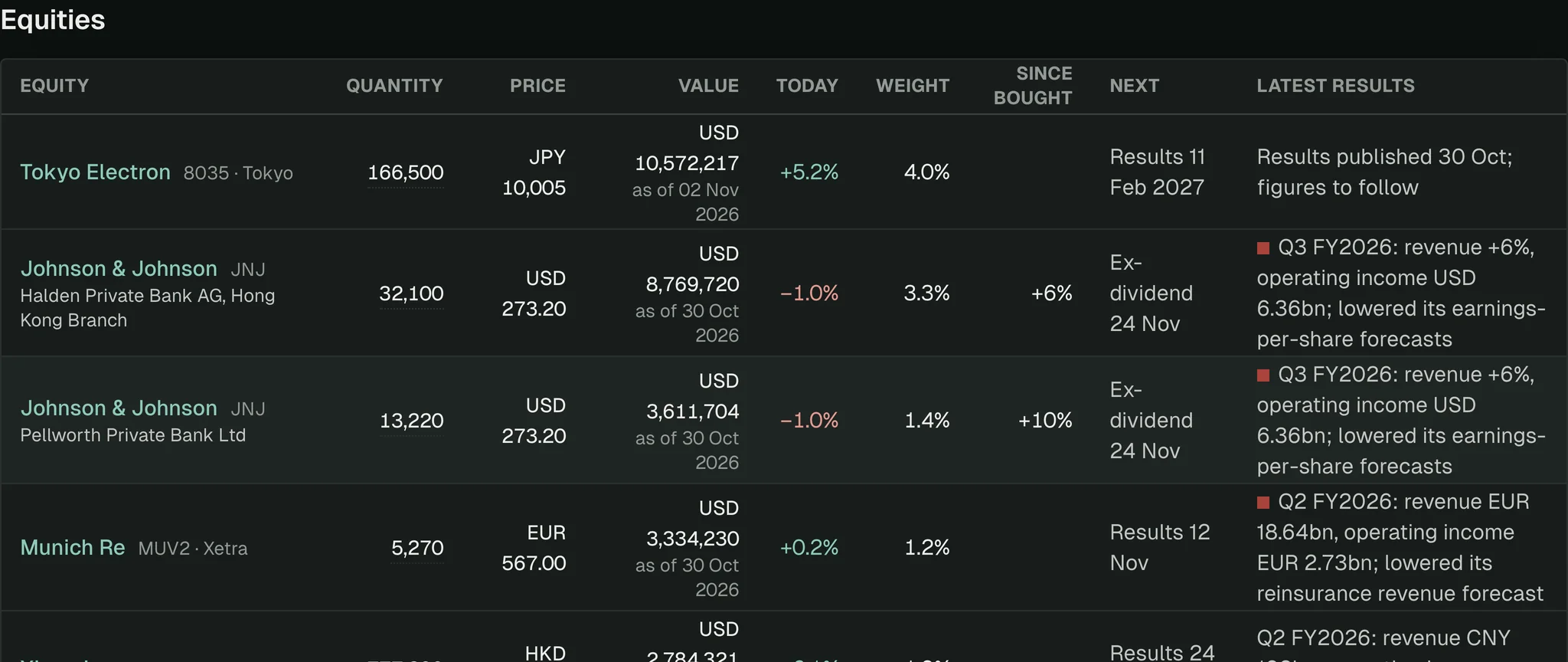
Holdings come from your custody statements, account by account. Each company's results, guidance changes and filings arrive as one line. A move that no announcement explains is put plainly, ranked by how much you hold.

One table, account by account.
The same share held at two banks shows twice, each with its own quantity and gain since bought. The newest statement sets the quantity.

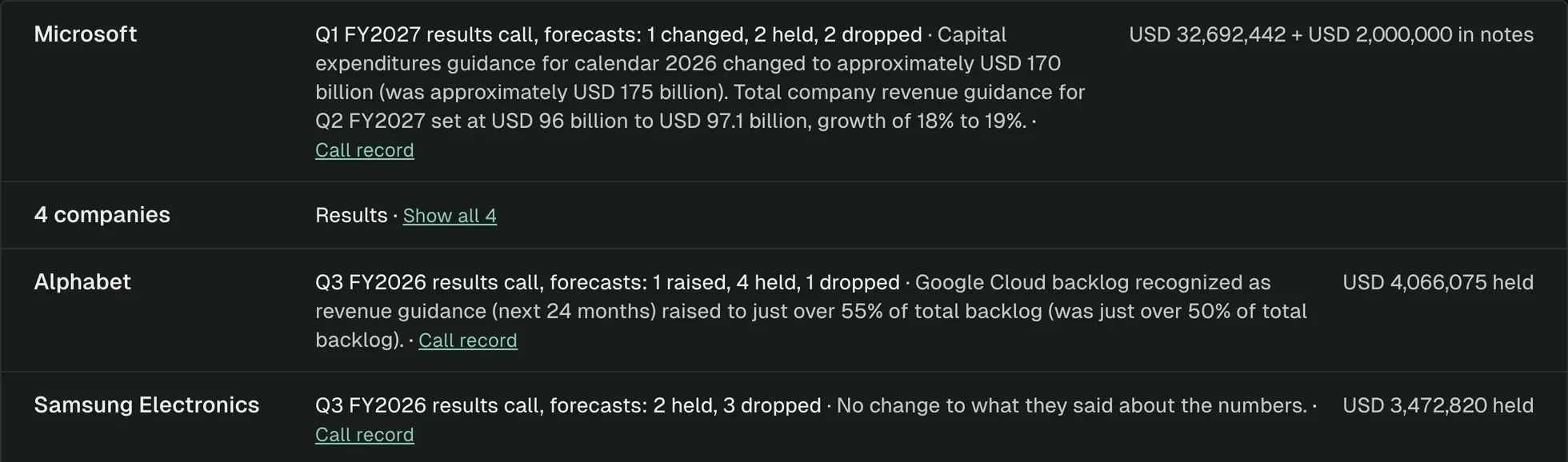
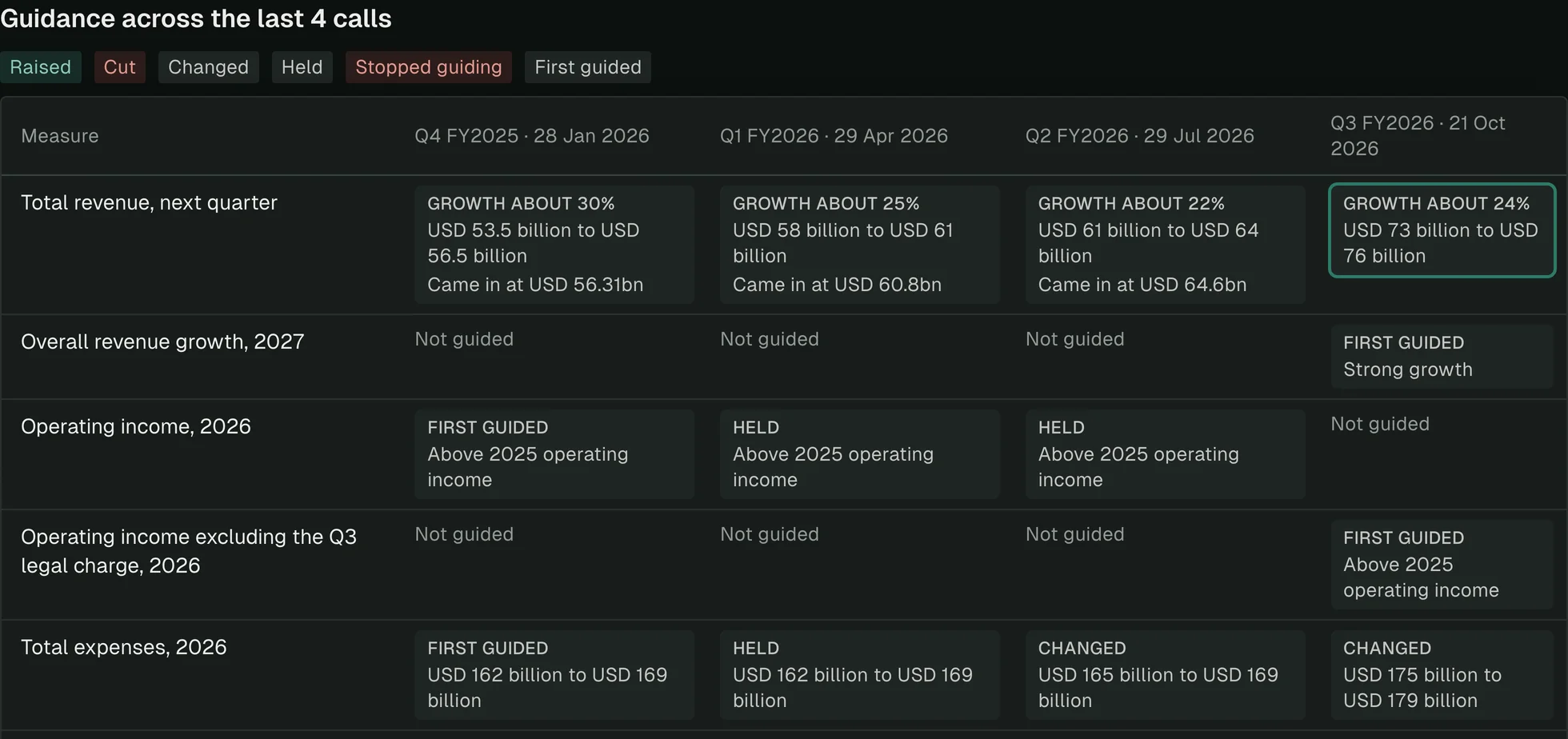
Guidance call by call: raised, cut, changed or held.
What each company guided on its last four results calls, and what the quarter came in at.

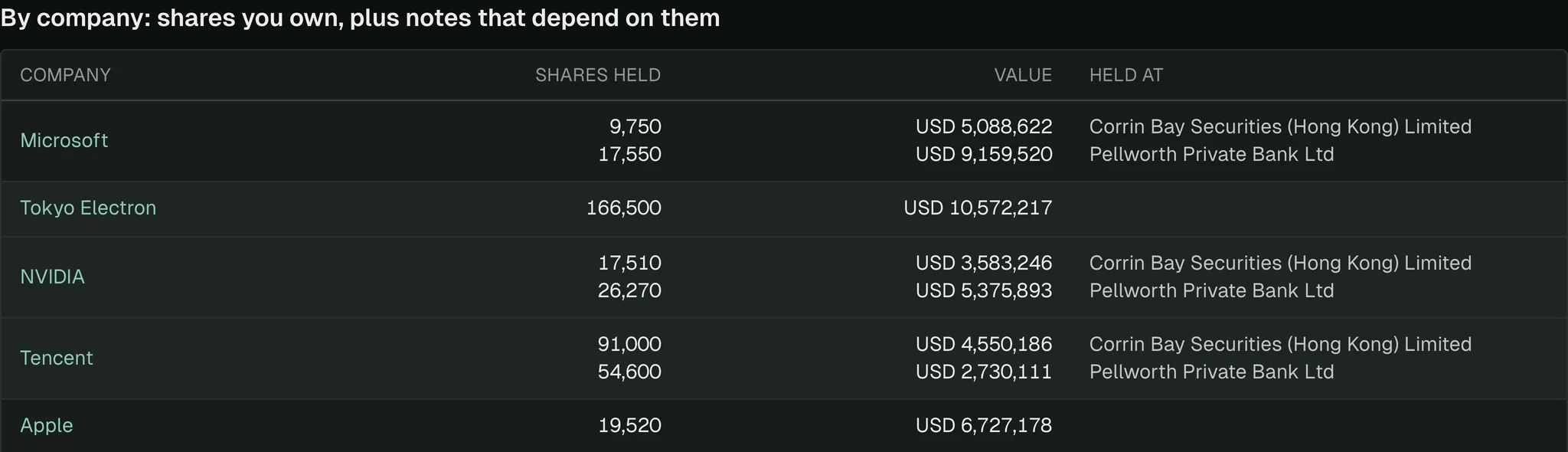
Shares you own, plus the notes that depend on them.
Each company once, with the shares held at each custodian and their value.

What changed, in one line, with its sources.
The latest results and forecast changes at the top, then three years of the share price with results, guidance, filings and dividends marked.

Try it on your own custody statements.
Send a statement from each bank, and see your holdings and their companies' news in one place.
Security
How your data is handled.
What happens to a document once it reaches Basefolio, and what you can take back. Questions: jinwoo@basefolio.co.
Kept to your account
Your portfolio, documents and questions belong to your account. No other Basefolio client can see them.
Not used to train AI
Basefolio doesn't train AI on your data. The AI services that read your documents receive only what they need to read them, under their data terms.
Never sold or shared
We don't sell your data or share it with other clients. The services Basefolio runs on handle only what they need to run it.
Stored in Germany
Your database, documents and backups are stored in Germany. The two AI services that read your documents may do so in the US; their terms rule out training on your data, and each file is deleted from them after it is read.
Download everything
Download a ZIP file of everything Basefolio holds for your account, at any time.
Delete the account
Once you confirm, nobody can sign in and your portfolio is deleted at once. Your documents are deleted within 30 days; backups keep a copy for up to about 35 days more.
Remove a paper, remove what it set
Deleting a document takes back the figures and holdings that came only from it, with one Undo.
Every check can be switched off
Alerts and checks are yours to turn off. The pages stay complete without them.
Request a demo
Test Basefolio on papers you've already worked through.
You know what's in those papers, so you can judge what Basefolio finds.
- Choose a past set. A fund package your team screened, a quarter of fund notices, your notes' term sheets, or a custody statement from each bank.
- It is read in a private account set up for you. Nobody else sees it, and it can be deleted when you're done.
- Compare it with your own work. Set what Basefolio found against what your team found.
Thank you.
Your request has gone to jinwoo@basefolio.co, who will reply personally.
Your email app should open with this filled in.
If it doesn't, send it to jinwoo@basefolio.co